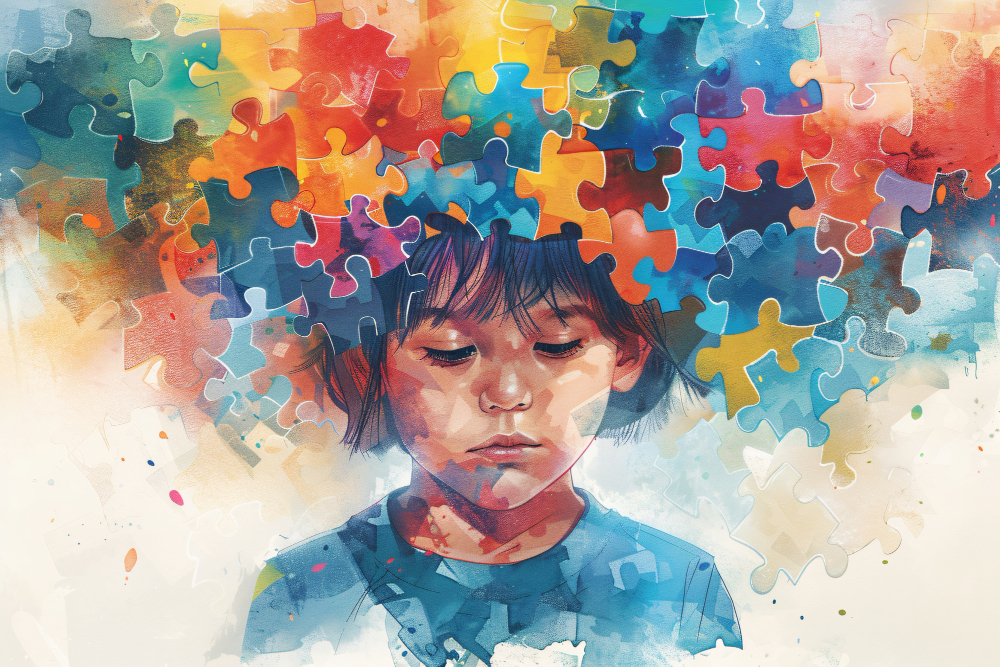
Neurodevelopmental disorders such as Autism Spectrum Disorder (ASD) require sustained, multifaceted support. Several key practices make a tangible difference in outcomes:
1. Consistent, Everyday Sessions & Rapport‑Building
Therapy is not a one‑off remedy. Regular, daily or near‑daily sessions help build rapport between the child and therapist, enable gradual progress, and allow children to generalise skills to multiple settings. Consistency also lets therapists pick up subtle changes and adapt interventions accordingly.
2. Parental Counselling & Home Follow‑Up
Parents are central to the child’s growth. Interventions mediated by parents; where therapists guide parents to practice strategies at home-have shown efficacy in Indian settings. A recent pilot study of the VQURA model (which integrates ABA, naturalistic developmental behavioural interventions, responsive teaching) had monthly training sessions for parents, and showed measurable improvement in social interaction, communication, and behaviour. Lippincott
Family support services such as those offered by AFA (Action for Autism) include parent‑child training, individualised home‑management plans, and periodic follow‑ups. autism-india.org
3. Importance of Socialisation
Children with neurodevelopmental disorders benefit greatly from opportunities to socialise: peer interaction, group play, turn‑taking, shared activities. These situations teach communication, collaboration, empathy, and reduce isolation.
For example, a study in India on group play therapy with children aged 8‑12 showed significant decreases in behavioural concerns via group interventions compared to conventional therapies. Jaz India
4. Multidisciplinary Centres & Specialist Collaboration
Centres where multiple specializations (speech therapy, occupational therapy, behavioural therapy, special education, etc.) are available under one roof give major advantages. They allow therapists to collaborate, share observations, align goals, and provide holistic care. A Mumbai‑based study on “multidisciplinary intervention” in child development centres showed functional improvements when interventions were individualised and carried out by a group of specialists.
5. Group Therapy Activities under Expert Supervision
Group‑based therapies (peer groups, social skills groups, parent support groups) with expert oversight offer benefits: cost‑efficiency, peer modelling, social learning, and emotional support. For example, hospital‑based parental support groups in North India (psychiatrists, psychologists, social workers) have been found effective for helping parents manage stress and gain strategies. SpringerLink
6. School Involvement & Stakeholder Collaboration
Schools are a key environment: children spend much of their day there. Inputs from schools;teachers’ observations, consistent implementation of accommodations or special strategies;complete the picture. When schools, therapists, and parents all act as stakeholders, you get continuity, consistency, and better generalisation of skills.
7. Overcoming Shame & Early Intervention
Parents who accept diagnosis early and begin therapy sooner (rather than waiting due to shame or fear) often see much better outcomes, since early years are especially sensitive periods for developmental plasticity. Awareness campaigns, peer sharing, and counselling help break the silence.
Image: Freepik.com
Comments are closed